



Design Letters: Creative Ways to Make Letters Stand Out
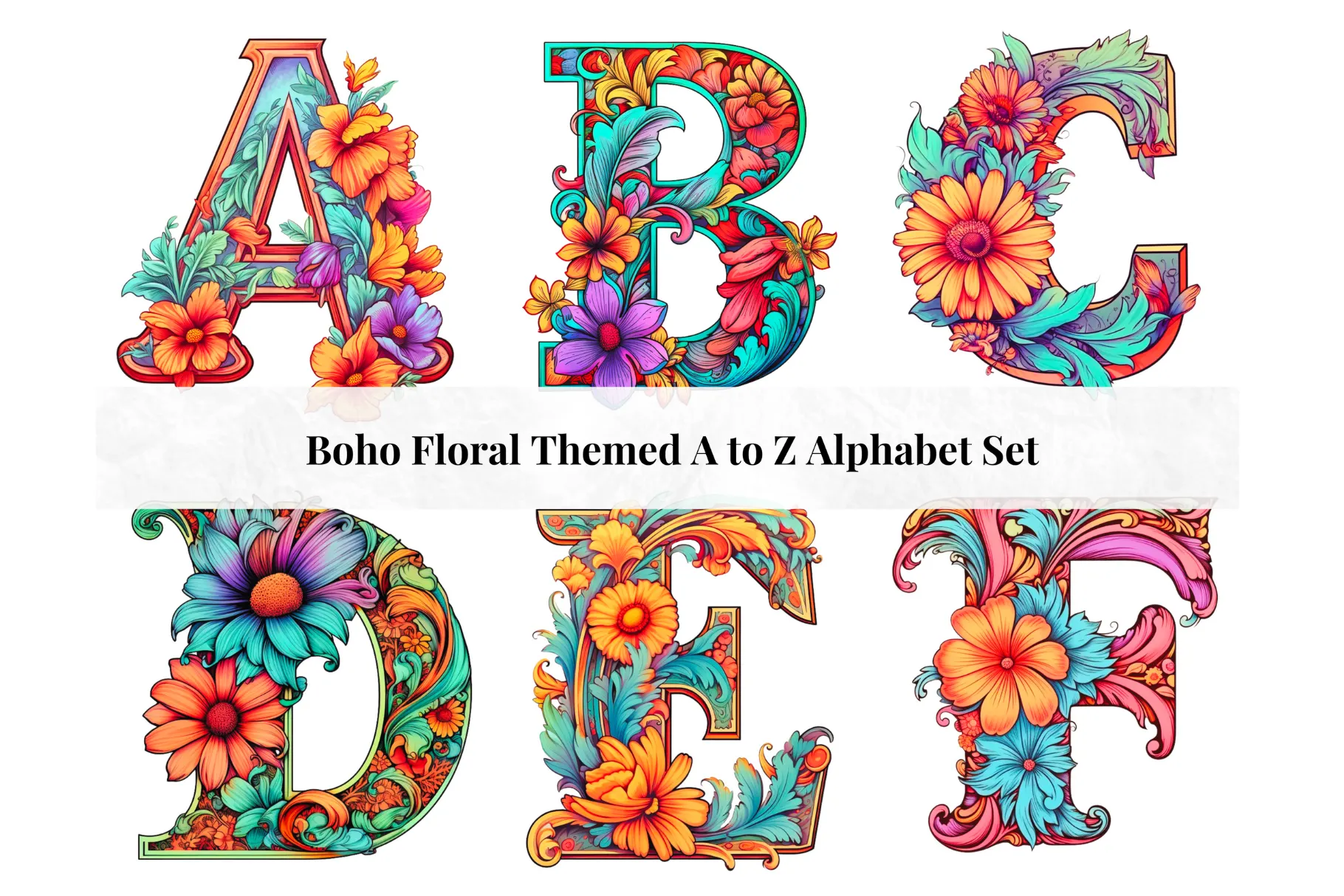
Letters are more than simple characters used to form words. With the right style, colors, fonts, and layouts, letters can become powerful design elements. Design letters is a creative concept that focuses on transforming ordinary letters into attractive visual elements for branding, social media, posters, invitations, artwork, and personal projects.
Whether you are a graphic designer, content creator, student, business owner, or simply someone who enjoys creative typography, learning how to design letters can help you communicate ideas in a more memorable way.
What Are Design Letters?
Design letters refers to the creative styling and presentation of individual letters, words, or phrases. It can involve different fonts, decorative elements, colors, shapes, textures, and layouts.
A simple letter can look completely different depending on how it is designed. For example, a bold font can create a strong and modern appearance, while a handwritten style can give a design a friendly and personal feeling.
Design letters are commonly used in:
- Logos and brand identities
- Social media graphics
- Posters and banners
- Invitations and greeting cards
- Website designs
- Product packaging
- T-shirts and merchandise
- Digital artwork
- Tattoos and personalized artwork
Why Is Letter Design Important?
Typography plays an important role in visual communication. Before people read an entire message, they often notice its appearance. Well-designed letters can immediately attract attention and create a particular mood.
A professional letter design can make content appear more organized and trustworthy. Creative typography can also help a brand become recognizable.
For personal projects, customized letters allow people to express their personality and creativity. A name written in an attractive style can become a unique profile picture, signature, wallpaper, or decorative element.
Popular Styles of Design Letters
There are many ways to create attractive letter designs. The best style depends on the purpose of the project and the audience.
Minimalist Letter Design
Minimalist typography focuses on simplicity. It usually uses clean fonts, limited colors, and plenty of empty space.
This style is popular for modern logos, websites, business cards, and professional presentations. The goal is to make the letters easy to recognize without adding unnecessary decorations.
Bold Letter Design
Bold letters are designed to grab attention. Large fonts, strong shapes, and high contrast are often used to make the text visually powerful.
This style works particularly well for headlines, advertisements, posters, social media posts, and promotional materials.
Handwritten Letter Design
Handwritten typography gives a design a natural and personal appearance. It can look casual, elegant, artistic, or playful depending on the handwriting style.
Handwritten letters are frequently used for wedding invitations, personal branding, greeting cards, quotes, and creative social media content.
Decorative Letter Design
Decorative letters include artistic details such as patterns, flowers, lines, shadows, symbols, or illustrations. These designs can turn individual letters into pieces of artwork.
Decorative typography is especially useful for posters, event invitations, children’s designs, crafts, and artistic projects.
3D Letter Design
Three-dimensional lettering creates the appearance of depth. Designers can use shadows, gradients, highlights, and perspective to make letters look as though they are standing out from the surface.
3D typography is often used in advertisements, gaming graphics, digital artwork, and modern promotional designs.
Choosing the Right Font
One of the most important decisions in letter design is choosing an appropriate font. Different fonts communicate different emotions.
Serif fonts can create a traditional and sophisticated appearance. Sans-serif fonts generally look clean and modern. Script fonts can provide an elegant or artistic feeling, while display fonts are often designed to attract attention.
When selecting a font, consider the purpose of the design. A playful font may work well for a children’s project but may not be suitable for a formal business presentation.
Using Colors in Letter Design
Color can significantly change the appearance of typography. Bright colors can make letters energetic and playful, while neutral shades can create a sophisticated appearance.
Contrast is also important. Text should remain readable against its background. For example, dark letters generally work well on light backgrounds, while lighter letters can stand out on darker backgrounds.
Using too many colors can make a design appear confusing. A limited and carefully selected color palette usually produces a cleaner result.
Adding Effects to Letters
Creative effects can make ordinary typography more interesting. Common effects include shadows, outlines, gradients, textures, glows, and reflections.
However, effects should support the design rather than make the letters difficult to read. A simple shadow can add depth, while an excessive number of effects may distract from the actual message.
Design Letters for Social Media
Creative typography is particularly useful on social media. Eye-catching lettering can help posts stand out in crowded feeds.
You can use customized letters for:
- Inspirational quotes
- Profile graphics
- Story posts
- Promotional announcements
- Name designs
- Event invitations
- Short messages
- Video thumbnails
Large, readable text combined with an attractive background can make social media content more engaging.
Design Letters for Branding
Businesses often use customized lettering as part of their visual identity. A distinctive wordmark or logo can help customers remember a company.
Brand lettering should be consistent across websites, packaging, advertisements, social media accounts, and printed materials. Choosing a recognizable font and color combination can help establish a strong visual identity.
Tips for Creating Better Letter Designs
Creating attractive typography does not always require advanced design skills. A few basic principles can make a significant difference.
First, keep your design readable. Creativity should never come at the expense of clarity. Second, choose fonts that match the mood and purpose of your project.
Spacing is another important factor. Proper spacing between letters and words can make a design look balanced and professional.
It is also useful to experiment with different sizes, alignments, colors, and layouts. Creating several versions can help you determine which design works best.
Common Mistakes to Avoid
One common mistake is using too many different fonts in one design. Combining several unrelated fonts can make the result look unorganized.
Another mistake is choosing decorative fonts that are difficult to read. While artistic lettering can be attractive, the message should remain clear.
Poor color contrast, excessive effects, overcrowded layouts, and inconsistent spacing can also reduce the quality of a typography design.
The Future of Letter Design
Digital design tools continue to make typography more accessible. Designers can now experiment with countless fonts, effects, layouts, and creative techniques.
Artificial intelligence and advanced design software are also introducing new ways to generate and customize lettering. These tools can help users explore ideas quickly while allowing designers to refine the final result.
Despite technological changes, the fundamental principles of good typography remain important: readability, balance, consistency, creativity, and visual hierarchy.
Also Read:Style Letter: Meaning, Uses, Ideas, and How to Create Stylish Letters
Final Thoughts
Design letters provide a simple but powerful way to make written communication more attractive and memorable. From minimalist typography and bold headlines to handwritten styles and decorative lettering, there are countless ways to transform ordinary characters into creative designs.
Whether you are designing a logo, creating social media content, preparing an invitation, or making personalized artwork, thoughtful letter design can improve the overall appearance of your project. By choosing suitable fonts, colors, spacing, and effects, you can create lettering that communicates both a message and a visual personality.
Frequently Asked Questions
What does design letters mean?
Design letters refers to creatively styling letters or words using fonts, colors, shapes, layouts, and decorative effects to create visually appealing typography.
Where can design letters be used?
Design letters can be used in logos, posters, websites, social media graphics, invitations, packaging, merchandise, digital artwork, and many other creative projects.
Which font is best for letter design?
There is no single best font. The ideal choice depends on the purpose of the design, the audience, and the visual style you want to achieve.
How can I make letters look more creative?
You can experiment with different fonts, colors, spacing, outlines, shadows, gradients, textures, and layouts. Keeping the design readable and balanced is essential.
Why is typography important in design?
Typography helps communicate information while creating a visual mood and identity. Good typography can make content easier to understand, more attractive, and more memorable.