



Lawrence Barretto: Exploring His Background, Career, and Public Presence
Introduction
Lawrence Barretto is a name that has attracted attention in public and professional circles, particularly among people interested in sports journalism, media, and contemporary personalities. While information about individuals with public profiles can sometimes be scattered across different sources, Lawrence Barretto has established recognition through his association with journalism and sports-related media.
His professional journey reflects the changing nature of modern journalism, where traditional reporting has expanded into digital platforms, social media, interviews, analysis, and real-time coverage. This article explores Lawrence Barretto’s professional identity, areas of interest, career development, and the qualities that have helped him become a recognizable name.
Who Is Lawrence Barretto?
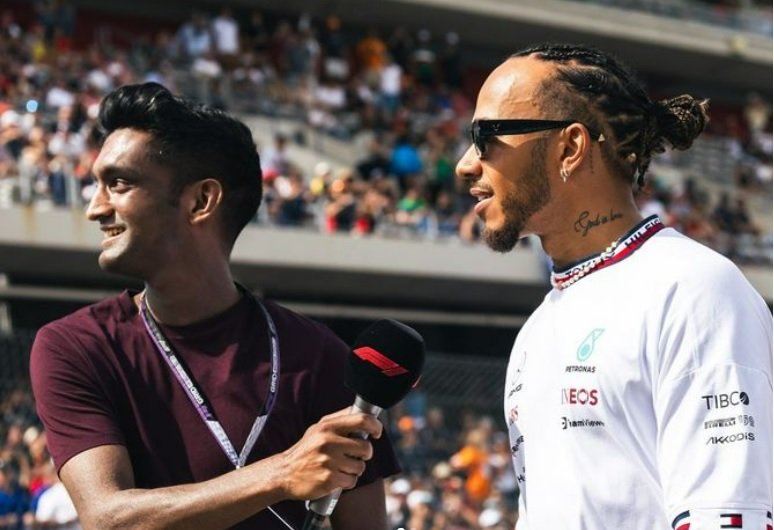
Lawrence Barretto is known as a journalist and media professional associated with sports coverage. His work has largely focused on reporting, interviews, analysis, and storytelling within the world of sports.
Sports journalism requires more than simply presenting scores or match results. A successful journalist must understand the personalities involved, recognize important storylines, communicate information clearly, and provide audiences with meaningful context. Barretto’s professional presence reflects these broader responsibilities.
His work has contributed to conversations surrounding sporting events, athletes, teams, and developments that attract the attention of sports audiences.
Lawrence Barretto’s Professional Journey
A career in journalism often develops through experience rather than following a simple or predictable path. Reporters build their reputations by covering stories, meeting deadlines, developing sources, conducting interviews, and learning how to communicate information effectively.
Lawrence Barretto’s career represents this type of professional progression. His involvement in sports media has allowed him to work around competitive events and personalities while developing an understanding of what makes a sports story interesting to readers and viewers.
Over time, journalists can become recognized not only for the organizations they work with but also for their individual reporting style and areas of expertise.
His Connection With Sports Journalism
Sports journalism is a unique field because it combines factual reporting with the excitement and emotion surrounding competition. Fans want immediate information, but they also want explanations, background, and stories that go beyond the final result.
For a sports journalist such as Lawrence Barretto, this means paying attention to numerous details. Team changes, player performances, coaching decisions, injuries, transfers, competitions, and behind-the-scenes developments can all become important parts of a story.
This environment requires journalists to remain informed and adaptable. The sports industry can change quickly, meaning that reporters must continuously follow developments and verify information before presenting it to an audience.
Reporting and Storytelling
One of the most important skills in journalism is storytelling. A collection of facts becomes much more engaging when those facts are presented within a clear narrative.
Sports provide countless opportunities for storytelling. An athlete’s journey, a team’s unexpected performance, a major comeback, or a controversial decision can all become compelling stories.
Lawrence Barretto’s work within sports media illustrates the importance of combining information with context. Readers generally want to know not only what happened but also why it matters. Effective reporting helps answer both questions.
The Importance of Interviews
Interviews are another major part of modern sports journalism. Speaking directly with athletes, coaches, officials, and other personalities can provide information that cannot always be obtained from statistics or match reports.
A good interviewer needs preparation, curiosity, and the ability to ask questions that encourage meaningful responses. The journalist must also listen carefully and identify useful points that deserve further discussion.
Through interviews and media interactions, sports journalists help audiences understand the people behind sporting performances. This human element can make sports coverage more engaging and relatable.
Lawrence Barretto and the Digital Era
The journalism industry has changed dramatically with the growth of digital media. News is no longer consumed only through newspapers, television, or radio. Audiences can now receive updates through websites, social platforms, mobile applications, video content, and live coverage.
This transformation has created both opportunities and challenges for journalists.
Sports reporters are often expected to work quickly while maintaining accuracy. A major sporting development can spread across social media within minutes, making responsible reporting particularly important.
For journalists operating in this environment, adaptability is essential. They must be able to communicate through different formats while maintaining the principles of professional journalism.
Skills Required in Modern Sports Media
A successful sports journalist typically needs a combination of professional and personal skills.
Research Skills
Research allows journalists to understand the background behind a story. Statistics, previous performances, historical context, and relevant developments can make reporting more informative.
Communication
Clear communication is essential when presenting complicated information to a broad audience. Good journalists know how to explain stories without making them unnecessarily difficult to understand.
Accuracy
Accuracy is one of the foundations of journalism. Sports reporting can involve rapidly changing information, so checking facts before publication is extremely important.
Adaptability
Modern media professionals often work across written articles, interviews, video, social media, and live reporting. The ability to adapt to different formats is increasingly valuable.
Why Sports Journalists Matter
Sports journalists play an important role in connecting athletes and sporting organizations with the public. While fans can watch games directly, journalists provide additional information that helps audiences understand the wider picture.
They investigate developments, ask questions, document important moments, and preserve stories that might otherwise disappear after an event ends.
In this way, journalism becomes part of the historical record of sports. Major competitions are remembered not only through scores and statistics but also through the stories surrounding them.
Public Interest in Lawrence Barretto
Interest in journalists and media personalities often develops naturally when their work appears frequently in major sports conversations. Audiences may become curious about their professional background, career path, reporting style, and areas of expertise.
However, it is important to distinguish between verified professional information and speculation. Public figures and media professionals can attract rumors online, but responsible readers should rely on credible information when learning about someone’s background.
Lawrence Barretto’s professional identity is primarily connected with journalism and sports media, making his career an interesting example of how modern sports reporting has evolved.
Challenges Faced by Sports Journalists
Sports journalism can look exciting from the outside, but it also involves considerable pressure. Journalists often work irregular hours, travel for assignments, meet tight deadlines, and report during highly competitive events.
There is also pressure to publish quickly. In the digital era, being first can attract attention, but being accurate is ultimately more important.
Sports journalists must also deal with passionate audiences. Fans may have strong opinions about teams and athletes, which can make sports reporting particularly demanding.
Maintaining professionalism while covering emotionally charged stories is therefore an important part of the job.
The Changing Future of Sports Journalism
The future of sports journalism will likely continue to be influenced by technology. Artificial intelligence, data analytics, video platforms, social media, and mobile reporting are already changing how audiences consume sports information.
At the same time, the fundamental principles of journalism remain important. Audiences still need accurate information, credible reporting, thoughtful analysis, and trustworthy storytelling.
Journalists who can combine traditional reporting skills with modern digital techniques are likely to remain valuable in the evolving media industry.
What Makes a Sports Journalist Successful?
Success in sports journalism is not based solely on visibility. Long-term credibility is built through consistent work, accurate reporting, strong communication, and a genuine understanding of the subject.
A journalist must also continue learning. Sports are constantly changing, and journalists need to understand new competitions, technologies, tactics, personalities, and audience expectations.
Lawrence Barretto’s professional presence provides an example of how journalists can build recognition by participating in an industry where information, speed, and storytelling all play important roles.
Frequently Asked Questions
Who is Lawrence Barretto?
Lawrence Barretto is a journalist and media professional known for his association with sports journalism and reporting.
What is Lawrence Barretto known for?
He is primarily associated with sports-related journalism, including reporting, interviews, and coverage of sporting developments.
Why is sports journalism important?
Sports journalism provides audiences with news, context, analysis, interviews, and stories that go beyond basic scores and results.
What skills are important for a sports journalist?
Research, communication, accuracy, interviewing, storytelling, adaptability, and knowledge of sports are among the most important skills.
Has digital media changed sports journalism?
Yes. Digital platforms have made sports news faster and more interactive while creating new opportunities for written, video, social-media, and live coverage.
Also Read:Maxine Dwyer: Life, Background, and Public Interest
Conclusion
Lawrence Barretto represents the modern sports journalist whose professional work exists at the intersection of reporting, storytelling, interviews, and digital media. Sports journalism continues to evolve, but its central purpose remains the same: informing audiences while helping them understand the stories behind sporting events.
As technology continues to transform the media landscape, journalists who combine accuracy with strong communication and adaptability will continue to play an important role. Lawrence Barretto’s association with sports media makes his professional journey an interesting example of the changing world of journalism.