



Daria Navalnaya: The Life, Advocacy, and Public Role of Alexei Navalny’s Daughter
Introduction
Daria Navalnaya has become a recognizable public figure through her family’s role in Russia’s modern political landscape. As the daughter of the late Russian opposition leader Alexei Navalny, she has drawn international attention for her advocacy of democratic values, human rights, and political freedom. While she generally maintains a private personal life, Daria has occasionally spoken publicly about her family’s experiences and the challenges they have faced.
This article explores Daria Navalnaya’s background, education, public appearances, advocacy, and the impact she has had as a young voice for democracy.
Early Life and Family Background
Daria Navalnaya was born in Russia to Alexei Navalny and Yulia Navalnaya. She grew up alongside her younger brother, Zakhar Navalny, in a family that became increasingly prominent due to Alexei Navalny’s anti-corruption investigations and political activism.
As her father’s profile rose, so did the risks faced by the family. They experienced surveillance, public scrutiny, and political pressure, making Daria’s upbringing significantly different from that of many young people her age.
Despite these challenges, her parents emphasized education, resilience, and civic responsibility.
Education
Daria Navalnaya pursued higher education in the United States, where she enrolled at Stanford University. Her admission attracted considerable media attention, not because of politics alone, but also because she earned a place through the university’s competitive admissions process.
Studying abroad allowed her to continue her education while her family faced mounting political difficulties in Russia.
Although she has largely kept her academic life private, Daria has demonstrated an interest in public affairs, international relations, and democratic institutions through her public engagements.
Supporting Her Father’s Cause
Throughout Alexei Navalny’s imprisonment, Daria consistently expressed support for her father and called for his release. She participated in interviews, public discussions, and international events that highlighted concerns about political repression in Russia.
Her speeches often emphasized:
- Human rights
- Freedom of speech
- Democratic governance
- Political accountability
- The importance of international solidarity
Rather than positioning herself as a politician, Daria has generally spoken from the perspective of a daughter whose family has been deeply affected by political persecution.
International Recognition
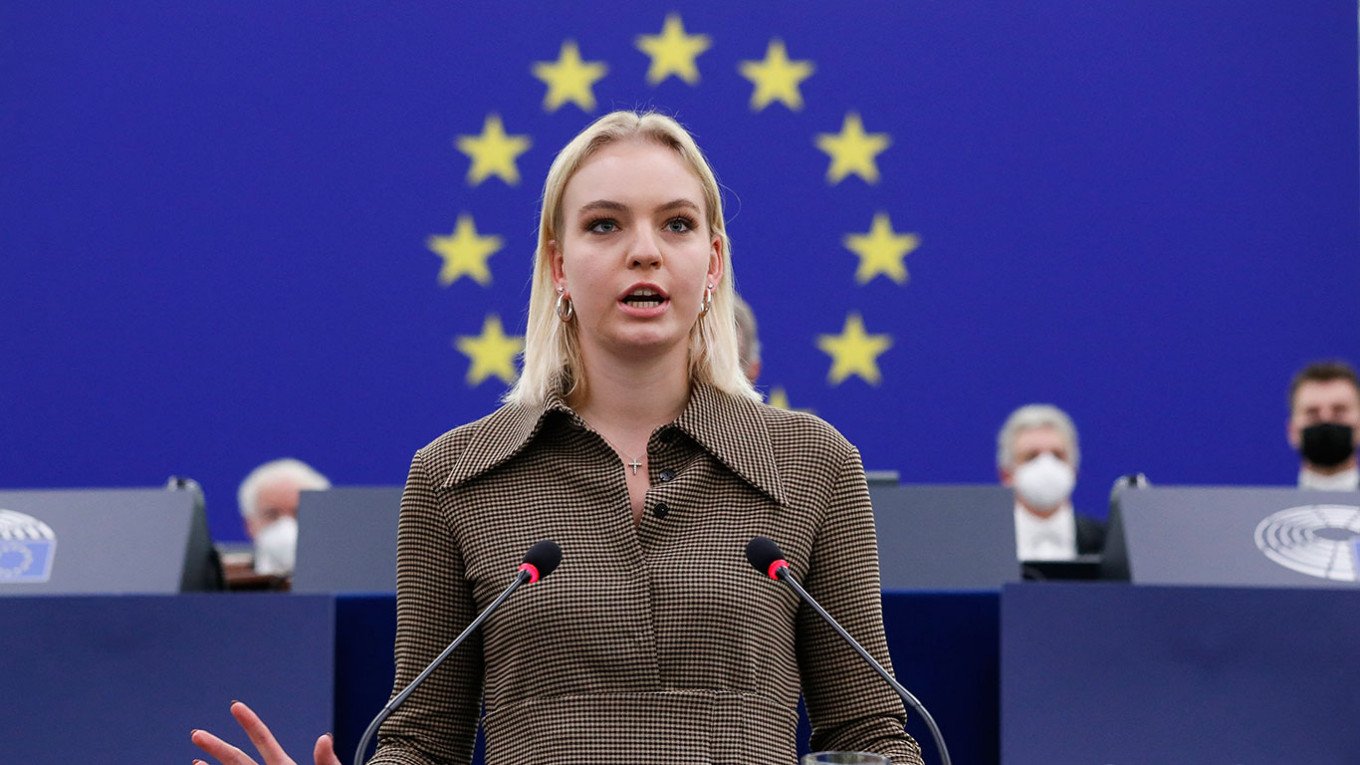
Daria Navalnaya gained international visibility in 2021 when she accepted a major humanitarian award on behalf of her father. During her remarks, she thanked supporters around the world and urged continued attention to the struggle for democracy and human rights.
Her calm and thoughtful public appearances received widespread recognition from international media and human rights organizations.
She has also appeared in interviews discussing the personal impact of her father’s imprisonment and the broader implications for civil society in Russia.
Life Following Alexei Navalny’s Death
Following Alexei Navalny’s death in February 2024, Daria joined her family in honoring his legacy. Alongside her mother, Yulia Navalnaya, and her brother, she has continued to advocate for justice, accountability, and the preservation of her father’s anti-corruption work.
Although she remains relatively private compared with many public activists, Daria occasionally participates in events and statements that keep international attention focused on issues of political freedom and human rights.
Public Image
Daria Navalnaya is often viewed as representing a younger generation committed to democratic values. Unlike many public figures, she has generally avoided frequent media appearances and maintains a relatively low public profile.
Observers frequently describe her public speaking style as measured, composed, and focused on principles rather than personal publicity.
Her role has largely been that of an advocate supporting her family’s mission rather than seeking an independent political career.
Influence on Young People
Many students and young activists have found inspiration in Daria Navalnaya’s willingness to speak publicly during difficult circumstances.
Her story illustrates several themes:
- The personal cost of political activism.
- The importance of education and civic engagement.
- Resilience in the face of adversity.
- Peaceful advocacy for democratic principles.
These themes have resonated with audiences both inside and outside Russia.
Personal Life
Daria Navalnaya has chosen to keep much of her personal life out of the public eye. Aside from occasional public appearances and interviews connected to her family’s work, she shares little about her private activities.
This approach has allowed her to maintain a degree of normalcy while continuing to support causes she believes in.
Legacy and Future
Although still a young public figure, Daria Navalnaya has become associated with resilience, advocacy, and democratic values. Whether or not she pursues a larger public or political role in the future, her contributions have helped keep international attention on issues surrounding political freedom and human rights in Russia.
As the daughter of one of Russia’s most prominent opposition leaders, Daria continues to represent both the personal consequences of political conflict and the enduring importance of civic engagement.
Also Read:Kalon AI: A Comprehensive Overview of Features, Benefits, and Applications
Conclusion
Daria Navalnaya’s public profile stems not from a traditional political career but from her family’s extraordinary circumstances and her willingness to speak on behalf of democratic ideals. Through her education, public advocacy, and support for her family’s work, she has emerged as a respected voice for human rights and freedom. While she remains committed to protecting her privacy, her influence continues to extend beyond Russia, making her an important figure in conversations about democracy, resilience, and civic responsibility.