



Ethereum Price: Factors Driving ETH Value and Future Market Outlook
Introduction
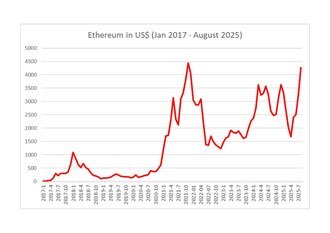
Ethereum (ETH) is the world’s second-largest cryptocurrency by market capitalization and the leading blockchain for decentralized applications (dApps), smart contracts, and decentralized finance (DeFi). Since its launch in 2015, Ethereum has evolved into a cornerstone of the crypto ecosystem, with its price reflecting technological innovation, market demand, and broader economic trends.
Understanding what drives Ethereum’s price can help investors and enthusiasts make informed decisions in an increasingly dynamic digital asset market.
What Determines Ethereum’s Price?
Ethereum’s price is influenced by several key factors that shape market sentiment and investor demand.
1. Supply and Demand
Like any tradable asset, Ethereum’s price rises when demand exceeds supply and falls when selling pressure increases. Factors such as institutional adoption, retail investment, and market speculation all impact demand.
2. Ethereum Network Activity
The number of transactions, active wallets, and decentralized applications built on Ethereum significantly affect its value. Increased network usage typically signals stronger demand for ETH, which is required to pay transaction fees.
3. Ethereum Upgrades
Major network upgrades often influence Ethereum’s market price. Improvements that enhance scalability, security, or reduce transaction costs can boost investor confidence and increase adoption.
4. Cryptocurrency Market Trends
Ethereum usually moves alongside Bitcoin and the broader cryptocurrency market. Bull markets often lift ETH prices, while bearish conditions can lead to widespread declines.
5. Global Economic Conditions
Interest rates, inflation, government regulations, and investor sentiment toward risk assets all play a role in Ethereum’s price movements. Favorable economic conditions generally support higher cryptocurrency valuations.
Why Ethereum Remains Popular
Ethereum continues to dominate the blockchain industry because of its diverse use cases, including:
- Smart contracts
- Decentralized finance (DeFi)
- Non-fungible tokens (NFTs)
- Blockchain gaming
- Enterprise blockchain solutions
- Token creation for new cryptocurrency projects
These applications create ongoing demand for ETH, helping support its long-term value.
Is Ethereum a Good Investment?
Ethereum has historically delivered significant returns over the long term, although its price remains highly volatile. Investors often view ETH as a leading digital asset due to its strong developer community, continuous innovation, and expanding ecosystem.
However, cryptocurrency investments carry risks, including market volatility, regulatory changes, and technological competition. Investors should conduct thorough research and diversify their portfolios before investing.
Ethereum Price Predictions
While no one can accurately predict Ethereum’s future price, several factors could influence its long-term performance:
- Continued institutional adoption
- Growth of decentralized finance
- Expansion of blockchain-based applications
- Improved scalability through future upgrades
- Increased global cryptocurrency acceptance
If these trends continue, Ethereum may strengthen its position as one of the most valuable blockchain networks in the digital economy.
Risks That Could Affect Ethereum
Despite its strong market position, Ethereum faces several challenges:
- Regulatory uncertainty
- Competition from other smart contract platforms
- Cybersecurity risks
- Macroeconomic instability
- Changing investor sentiment
These factors can contribute to short-term price fluctuations.
Tips for Tracking Ethereum Price
Investors should monitor several indicators when following Ethereum’s market performance:
- Daily trading volume
- Market capitalization
- On-chain activity
- Network upgrades
- Bitcoin price trends
- Global financial news
Staying informed can help investors better understand market movements and make more strategic decisions.
Conclusion
Ethereum remains one of the most influential cryptocurrencies, powering thousands of decentralized applications and blockchain innovations worldwide. Its price is driven by a combination of market demand, technological development, network activity, and broader economic conditions. Although price volatility is expected, Ethereum’s expanding ecosystem and continued innovation position it as a key asset in the evolving digital finance landscape.
For investors, understanding the factors that influence Ethereum’s price is essential for making informed decisions and navigating the rapidly changing cryptocurrency market.